
How Field Sobriety Tests Can Be Challenged in DUI Cases
April 23, 2026
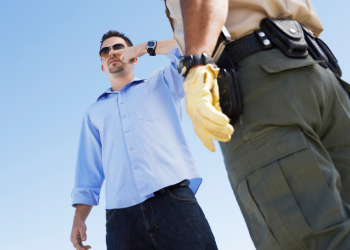 Field sobriety tests are key tools used by law enforcement officers to determine whether a driver has driven under the influence. These tests often serve as critical evidence in DUI cases. However, they are far from perfect, and the test results may be challenged, depending on how the test was conducted.
If you’re facing a DUI charge in Florida, an experienced DUI defense attorney can help you determine whether you have grounds to challenge your field sobriety test results. At DaytonaDefense.com, we can review the circumstances of your traffic stop, how the test was conducted, and whether any mitigating factors were present that could render the test results fallible or inaccurate.
Understanding Field Sobriety Tests in Florida
Field sobriety tests are comprised of the physical and cognitive exercises that law enforcement officers administer to assess whether a driver is impaired (i.e., driving under the influence). Some common types of tests include the horizontal gaze nystagmus (HGN) test, the walk-and-turn test, and the one-leg stand test. These tests are designed to measure your balance, coordination, and ability to follow instructions.
While these tests are widely used to determine impairment, they are highly subjective. Officers make a judgement based on what they observe, which can often lead to errors or misinterpretations.
Florida follows the guidelines set by the National Highway Traffic Safety Administration (NHTSA), which specify how these field sobriety tests should be conducted. If you can prove that law enforcement failed to follow any part of the process, you may ground to challenge the validity of the test results.
How to Challenge Field Sobriety Test Results in Florida
If you have been charged with a DUI in Florida, a common defense is challenging the results from your field sobriety test. At DaytonaDefense.com, we will work with you to evaluate the test results and scrutinize the circumstances under which the tests were conducted to determine whether any errors or violations occurred. The most common ways we can dispute the results of a field sobriety test include the following.
Improper Administration of the Tests
Florida law requires officers to follow strict NHTSA protocols when administering field sobriety tests. If the officer deviates from these guidelines, the results of the tests may be invalid in court.
You and your attorney can use body camera footage, police reports, and other documentation to identify whether any procedural issues occurred. For example, did the officer give clear and concise instructions? Were you given adequate time to comply? Were the conditions conducive to performing the tests effectively (e.g., conducted on a flat and well-lit surface)?
Physical or Medical Conditions Affecting Performance
Field sobriety tests rely on physical movements that can be affected by pre-existing medical conditions, injuries, or even fatigue. For example, if you have arthritis, a balance disorder, or had past surgeries, you may have difficulty standing on one leg or walking heel-to-toe, even if you are sober.
Other external factors, such as wearing high heels or slippery footwear, may also impair your performance in certain tests. Our attorney can review your medical records, gather expert testimony, and present evidence to demonstrate how your condition may have skewed the test results.
Environmental Factors and Testing Conditions
The environment in which the test was performed can play a significant role in the outcome, such as whether it was conducted in heavy rain, on an uneven surface, or in a noisy area that made it hard to understand instructions.
These external factors can significantly impair your ability to perform well on these tests, regardless of your sobriety. Our attorney will investigate the location and circumstances surrounding your arrest to evaluate whether environmental conditions impeded your ability to perform the test accurately.
Officer Bias or Subjectivity
Since field sobriety tests rely heavily on an officer’s observations, bias can play a significant role. An officer may interpret even minor missteps or hesitation as a sign of impairment. If you believe the arresting officer’s judgment was clouded by bias, our attorney can highlight inconsistencies in their testimony or challenge their interpretation of your performance.
Video Evidence Contradictions
Many Florida law enforcement agencies use body cameras or dash cameras to record DUI stops. Video evidence can be a powerful tool for determining whether a field sobriety test was administered properly and whether your performance matched the officer’s claims in their report. Our experienced DUI defense attorney will analyze the available footage to identify discrepancies or inaccuracies in the officer’s narrative.
Fatigue or Stress
Being pulled over is often incredibly stressful. Being asked to perform field sobriety tests can be even more so. Nervousness, lack of sleep, or general anxiety can cause physical and mental responses that might look like impairment to an officer. These factors are often overlooked but can be crucial in creating reasonable doubt about the validity of field sobriety test results.
How Our Firm Can Help
Challenging a field sobriety test often requires the assistance of a DUI defense attorney who has an in-depth knowledge of Florida DUI laws and NHTSA protocols. At DaytonaDefense.com, we know what to look for when reviewing your case. The primary ways our attorney can help strengthen your case include:
Case evaluation: We will look at every detail, from the circumstances of your traffic stop to the administration of the field sobriety test to determine whether your rights were violated and whether the proper procedures were followed.
Expert testimony: We will collaborate with medical professionals and former law enforcement officers to provide authoritative perspectives that may support your case. For example, a medical professional could explain how a health condition or other factor could have affected your performance on the tests.
Officer cross-examination: During courtroom proceedings, we will cross-examine the arresting officer to identify inconsistencies in their report, instructions, or testimony. This is particularly valuable if video evidence contradicts their claims.
Suppressing evidence: If we can demonstrate that the field sobriety tests were improperly conducted or unfairly administered, we may be able to file a motion to suppress that evidence altogether. Without the results from a field sobriety test, it is often much harder for prosecutors to prove their case.
Contact an Experienced DUI Attorney in Daytona Beach, Florida, for Assistance Today
Facing a DUI charge is serious, especially if law enforcement used a field sobriety test to confirm the charge. However, these tests are far from foolproof. An experienced DUI defense attorney can help you challenge the validity of these tests and advocate for your best interests following a DUI.
If you’ve been charged with a DUI and are concerned that the field sobriety test results are not accurate, reach out to us at DaytonaDefense.com. Located in Daytona Beach, Florida, we serve clients throughout Volusia and Flagler Counties, including DeLand, Port Orange, New Smyrna Beach, and Palm Coast. Contact us today to schedule a free consultation.